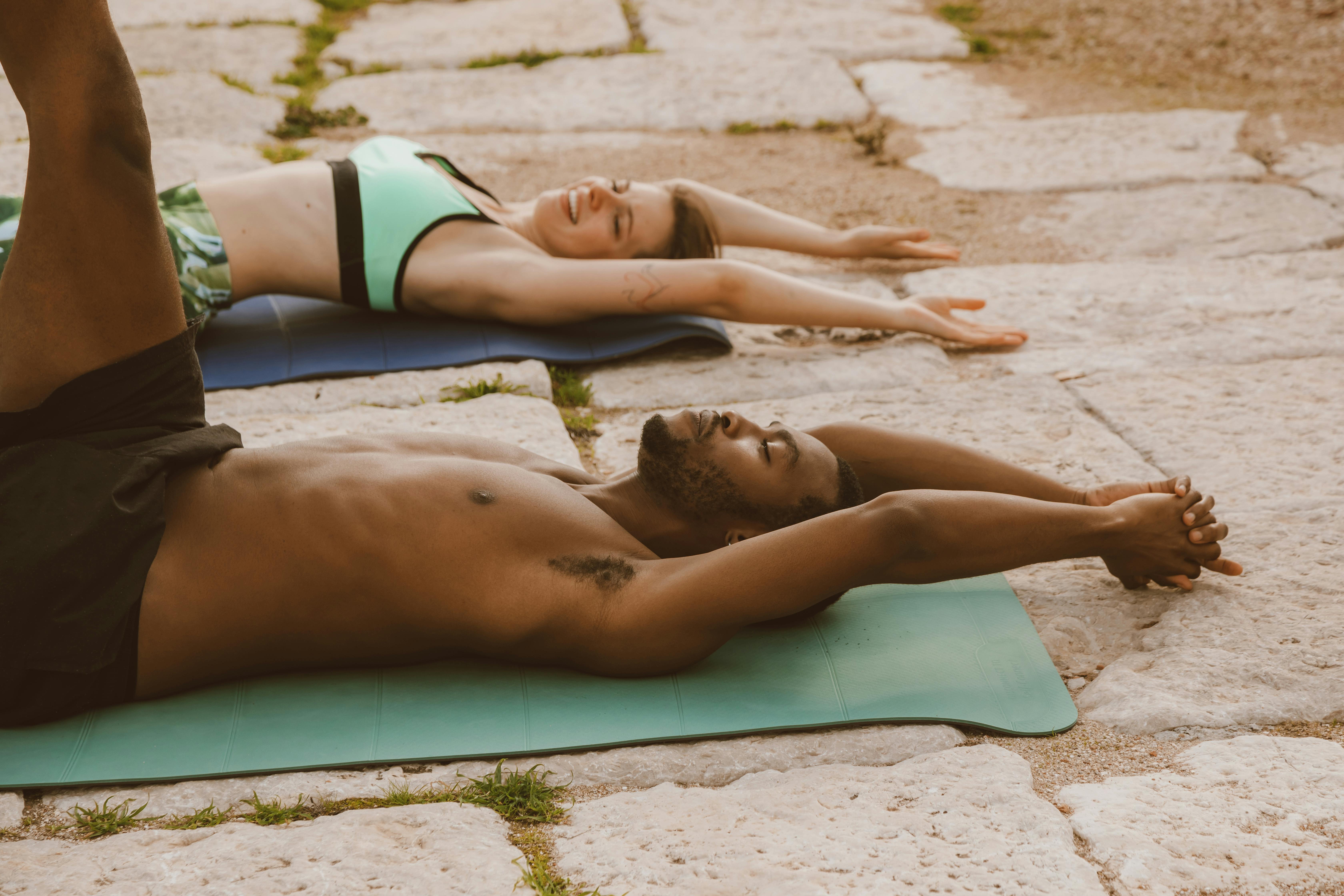
Most yoga retreats target individuals. Women traveling solo. Teachers deepening their practice. People seeking personal transformation. And that is a wonderful market — but it is also a crowded one.
There is a segment of the wellness market that is dramatically underserved: couples who want a shared wellness experience. Not a spa weekend. Not a vacation with a yoga class tacked on. A real, designed, intentional retreat experience built for two people to grow together.
If you are a yoga teacher or wellness practitioner thinking about your next retreat, here is why couples retreats deserve serious consideration.
Why Couples Retreats Are Commercially Powerful
Three reasons. First, you are selling to two people instead of one. A couple booking a retreat means double the revenue per decision. One conversation, one booking, two participants. Your cost of acquiring the booking is the same, but your revenue per booking doubles.
Second, couples retreats command premium pricing. When people invest in their relationship, they are willing to spend more than when they invest in themselves alone. A person might hesitate at $2,500 for a solo retreat but will happily pay $4,000 for a couples experience — because the value is perceived as shared, and the decision is made together.
Third, couples retreats generate extraordinary referrals. When a couple has a transformative experience together, they talk about it — to friends, family, other couples. One happy couple at dinner with friends becomes two new bookings for your next retreat. The referral engine is built into the product.
Designing the Experience
The fundamental design principle for a couples retreat is balance between shared experience and individual space. Couples who spend every minute together on a retreat will feel suffocated by day two. Couples who are separated for most of the retreat will wonder why they did not just book individual retreats.
The solution is a rhythm of together-apart-together throughout each day.
Morning shared practice — partner yoga, joint meditation, or guided connection exercises. This starts the day with intentional togetherness.
Midday individual time — separate yoga classes, solo workshops, personal spa treatments, or simply free time apart. This gives each person their own experience and something to share later.
Afternoon shared experience — a couples workshop, partner massage instruction, a shared adventure activity (hiking, kayaking, cooking class). This creates a new shared memory.
Evening connection — dinner together (not with the whole group), followed by an optional group activity or private time.
The workshops are what separate a couples retreat from a regular retreat with couples in attendance. Offer sessions on conscious communication, partner breathwork, or guided relationship reflections. You do not need to be a therapist — you are facilitating connection through wellness practices, not conducting therapy.
If relationship dynamics are outside your expertise, partner with a couples therapist or relationship coach to co-facilitate. This adds credibility and depth to the offering.
Venue Requirements
Couples retreats need private accommodation — shared dormitories will not work. Every couple needs their own room, ideally with some privacy from other couples. This means your venue needs to be more like a boutique hotel or villa with separate suites than a retreat center with bunk rooms.
The upside: private rooms justify higher pricing. The downside: your maximum capacity will be smaller (typically 5-8 couples for an intimate experience), which means your per-couple pricing needs to be correspondingly higher to maintain profitability.
Look for venues with romantic elements — outdoor dining areas, gardens, hot tubs, scenic views. The setting should inspire intimacy and relaxation. A concrete conference center surrounded by parking lots will not work no matter how good your programming is.
Pricing for Couples
Price per couple, not per person. This is a small psychological shift that makes a big difference. "$3,500 per couple for a 4-day retreat" feels like a shared investment. "$1,750 per person for a 4-day retreat" feels like two separate expenses.
A realistic pricing range for couples retreats: $2,500-$5,000 per couple for 3-5 days, depending on venue quality and what is included. All-inclusive pricing works best for couples retreats — remove all transactional friction during the experience itself.
Offer an early bird discount for the first 3 couples who book. This creates momentum and social proof quickly.
Who Is Your Target Couple?
Not all couples are your audience. Define your niche:
Anniversary couples looking for a meaningful way to celebrate a milestone. This audience responds to "intentional celebration" messaging and premium positioning.
New parents who need reconnection. The first year with a baby is hard on relationships. A couples retreat marketed as "reconnect after baby" hits an emotional nerve that drives bookings.
Pre-wedding couples who want something deeper than a bachelor/bachelorette party. The "pre-wedding reset" is an emerging niche with very little competition.
Empty nesters rediscovering each other. Their children have left, they have more disposable income than younger couples, and they are actively searching for shared experiences.
Pick one segment and design your retreat specifically for them. A retreat for new parents looks very different from a retreat for empty nesters — the schedule, the activities, the messaging, and the pricing all change.
Marketing Couples Retreats
The most effective marketing channel for couples retreats is other couples. After your first retreat, your alumni become your sales team. Offer a referral bonus — a discount on their next retreat for every couple they refer — and watch your bookings grow organically.
Before you have alumni, target your marketing at the person in the couple who is more likely to initiate. In most cases (though not always), this is the person who already practices yoga or wellness. Your messaging should give them the tools to pitch the retreat to their partner: "Here's the link — take a look and let's talk about it."
Social media content for couples retreats should show real couples (with permission) in authentic moments of connection — not staged romance photos. Behind-the-scenes content, partner yoga clips, and testimonials from real couples are your most powerful marketing assets.
The Long Game
A successful couples retreat creates a uniquely sticky relationship with your participants. Unlike individual retreat participants who may or may not return, couples who have a transformative experience together will seek out similar experiences repeatedly. They become long-term clients, returning for annual retreats and recommending you to every couple they know.
This makes couples retreats not just a product but a relationship-based business model that compounds over time. Design your couples retreat schedule with our Schedule Builder.
##