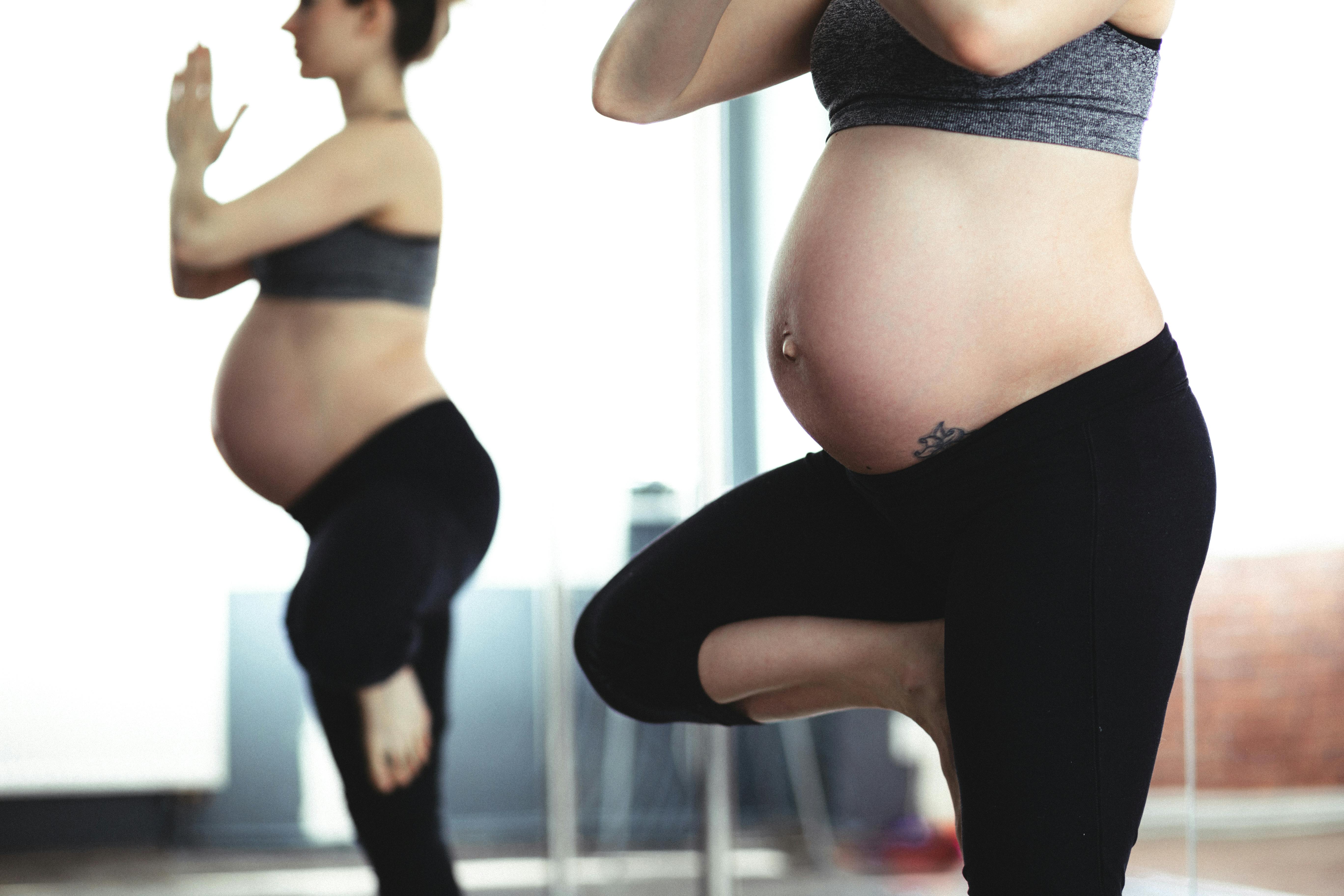
Pregnancy is one of the most transformative experiences in a woman's life. And yet almost no one is creating retreat spaces specifically for it.
Pregnant women are looking for something most retreats do not offer: a practice adapted to their body, a schedule that respects how they actually feel, and a room full of other women going through the same thing. That connection — the shared experience — is often what they remember most.
A prenatal retreat looks different from a regular yoga retreat. Shorter sessions. More rest. More time to talk, to ask questions, to just be together. Workshops on breathing for labor, on preparing mentally for birth, on what comes after. It is not about pushing through a challenging vinyasa flow. It is about creating a space where women feel held during one of the most vulnerable and powerful periods of their lives.
This is also a wide-open niche with strong, consistent demand. And it is a kind of retreat that creates a lasting relationship — every participant will have a baby within weeks, which means postnatal classes, mommy-and-baby sessions, and a community that keeps coming back.
If you are a yoga teacher with prenatal training — or considering adding it — this guide covers everything you need to know.
Why Prenatal Retreats Are Different From Regular Yoga Retreats
The biggest difference is not the yoga. It is the emotional context. Pregnant women come to a retreat carrying anxiety about birth, physical discomfort, and a deep desire to connect with other women going through the same experience. The yoga is important, but the community and the space you create around it is what they remember.
This means your retreat design needs to prioritize comfort, safety, and connection over intensity or adventure. The venue matters more than usual — you need proximity to medical facilities, comfortable bedding, gentle terrain, and food options that accommodate pregnancy cravings and aversions.
It also means your schedule needs more rest and more social time than a typical yoga retreat. Pregnant women fatigue faster, need to eat more frequently, and benefit enormously from unstructured time to talk with each other. Do not overschedule.
Safety Considerations You Cannot Ignore
This is non-negotiable. If you are running a prenatal retreat, you must have prenatal yoga certification (RPYT or equivalent). General yoga teacher training does not prepare you for the specific contraindications and modifications required for pregnant students.
You should accept participants who are in their second or third trimester — the first trimester carries higher risk and most prenatal yoga teachers recommend waiting until week 14 to begin. Require every participant to provide a clearance letter from their healthcare provider before attending.
Your venue must be within 30 minutes of a hospital or birthing center. Have a clear emergency protocol written down and shared with your team. Know the local emergency number and have transportation available at all times.
Poses to emphasize: hip openers, gentle spinal mobility, pelvic floor work, supported restorative poses, and breathing techniques useful during labor. Poses to avoid: deep twists, strong backbends, inversions, prone positions (lying on the belly), and any pose that compresses the abdomen.
Every participant will be at a different stage and have different physical limitations. Your teaching must be adaptive, not prescriptive. Offer modifications for everything and give explicit permission to rest at any time.
Designing the Schedule
A prenatal retreat works best as a 3-4 day experience rather than a full week. Longer retreats are harder for pregnant women to commit to, both physically and logistically.
Here is a sample day structure:
8:00 AM — Gentle morning yoga and breathing (60 minutes, not 90) 9:15 AM — Breakfast (allow 45 minutes — morning sickness and slow eating are real) 10:30 AM — Workshop: birth preparation, partner communication, or newborn care basics 12:00 PM — Lunch 1:00 PM - 3:30 PM — Rest, pool, nature walk, or spa time (unstructured) 3:30 PM — Afternoon restorative yoga or sound bath (45 minutes) 4:30 PM — Community circle / sharing time 6:00 PM — Dinner 7:30 PM — Optional evening activity (gentle, social — not another yoga session)
Notice the shorter yoga sessions, the longer rest periods, and the emphasis on community. The workshop slot is your value differentiator — this is where you go beyond yoga into birth preparation, breathing for labor, or postpartum planning. If you do not have expertise in these areas, bring in a guest facilitator like a doula, midwife, or lactation consultant.
Pricing and Positioning
Prenatal retreats command premium pricing for a simple reason: the audience is specific, the expertise required is specialized, and the alternatives are few. A 3-day prenatal retreat can realistically be priced at $800-$1,500 per person depending on your venue, location, and what is included.
Position the retreat around the transformation, not the activities. "Prepare your body and mind for birth in a supportive community of women on the same journey" is stronger than "3 days of prenatal yoga classes."
Consider offering a "bring your partner" option for one session or one day — partners who feel included in the pregnancy journey are a powerful referral engine, and it adds a premium tier to your pricing.
The Venue Checklist
Not every retreat venue works for prenatal retreats. Here is what to look for:
Ground-floor rooms or elevator access (no stairs with luggage for heavily pregnant women). Comfortable beds with extra pillows available. Bathrooms close to sleeping areas (frequent bathroom trips are constant in the third trimester). Food service that accommodates pregnancy dietary needs — no raw fish, soft cheeses, or unpasteurized options. Climate-controlled spaces for yoga — pregnant women overheat easily. Proximity to medical care — 30 minutes maximum to a hospital. Calm, safe, flat walking areas for gentle movement between sessions.
Marketing to This Audience
Pregnant women find prenatal retreats through three primary channels: their prenatal yoga teacher (that is you), online search ("prenatal yoga retreat" + location), and referrals from friends, doulas, and midwives.
Partner with local doulas and midwives. They are in constant contact with your target audience and are usually happy to recommend quality prenatal experiences. Offer them a referral fee or a complimentary spot at your retreat in exchange for promoting it to their clients.
Create content specifically for pregnant women — blog posts, Instagram content, and short videos about prenatal yoga benefits. This builds trust before they ever consider booking.
And time your marketing carefully. Your ideal participant is in her second trimester when she books, attending in her late second or early third trimester. That means you need to be marketing 3-4 months before the retreat date.
After the Retreat: The Postnatal Opportunity
Here is the business insight most prenatal retreat leaders miss: your participants will have babies within weeks or months of attending. That means you have a built-in audience for postnatal yoga, mommy-and-baby classes, and a follow-up retreat.
Create a private group for your retreat alumni. Stay in touch through the birth and postpartum period. The community you built during the retreat becomes the foundation for ongoing classes, a second retreat, and years of referrals.
Prenatal retreats are not just a niche — they are a relationship-building engine for your entire yoga business.
Ready to plan your prenatal retreat? Start by mapping your costs with our Profit Simulator and collect health details with our Participant Form Builder.
##