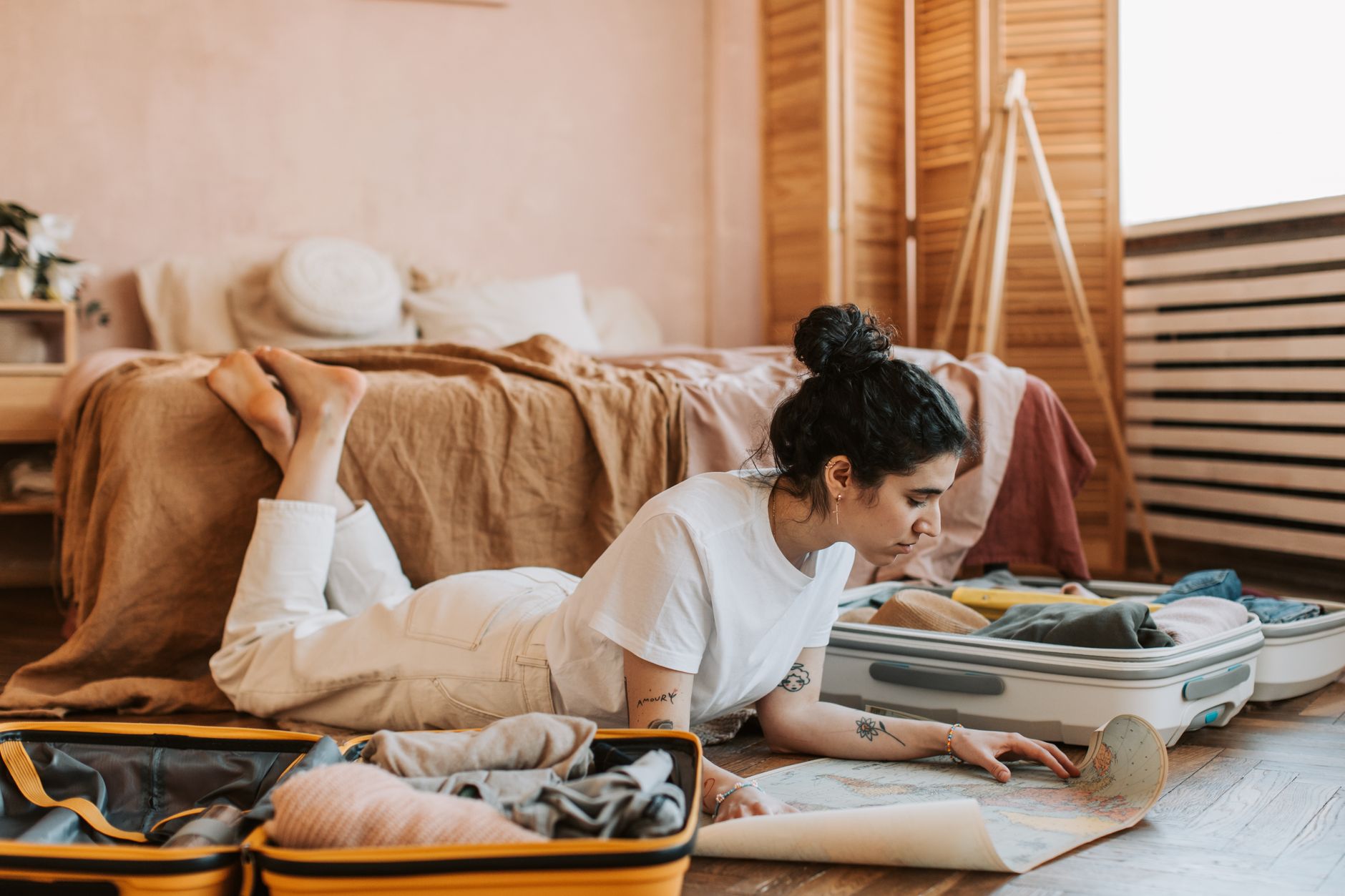
The week before your first retreat, it's easy to spiral into a packing panic. Do you need special yoga clothes? A journal? Your own pillow? What if you forget something important?
Take a breath. Most retreat centres are more accommodating than you think, and most of what you genuinely need is simpler than you expect. This guide cuts through the noise and tells you exactly what to bring, what to skip, and how to walk through the door feeling ready rather than frazzled.
Start Here: Read the Retreat's Own Guidelines First
Before you touch a suitcase, find the information packet or welcome email your retreat organiser sent you. Many centres have specific requests—no synthetic fragrances, no outside alcohol, shoes off indoors—and some provide items you might otherwise pack unnecessarily, like yoga mats, towels, or bedding.
If you haven't received any guidelines, send a quick message and ask. A simple "Is there anything I should know before I pack?" saves a lot of guesswork.
Once you know what's provided, everything else on this list fills the gaps.
Clothing: Comfort Over Style
This is not the trip to debut a new outfit. Retreat clothing should let you move freely, layer easily, and feel at ease whether you're in a meditation hall, on a forest walk, or sitting down to a shared meal.
Bring:
- Loose, comfortable layers (mornings and evenings can be cooler than expected)
- At least two sets of movement-friendly clothes—leggings, soft trousers, a light hoodie
- Comfortable walking shoes and a pair of sandals or slip-ons for indoor transitions
- Socks (more than you think you need—cold feet are a surprisingly common retreat complaint)
- A light waterproof layer or packable jacket if you'll be spending time outdoors
- Swimwear if there's a pool, hot spring, or sauna on site
Leave behind:
- Anything that requires ironing
- Uncomfortable shoes you planned to "break in"
- More outfits than you have days—retreats are not fashion occasions
Toiletries and Personal Care
Many retreats ask guests to avoid strong scents out of consideration for others in shared spaces. Even if yours doesn't, it's worth being thoughtful.
Bring:
- Your usual toiletries in travel sizes
- Any prescription medications, clearly labelled
- Sunscreen if you'll be outdoors
- Insect repellent if the location warrants it
- A small first-aid kit: plasters, pain relief, any allergy medication you use
- Menstrual products if relevant—these can be hard to find on-site
Consider skipping:
- Heavy perfumes or strongly scented lotions
- A full makeup kit—most people dial this back naturally at retreats
If you take daily supplements, bring them. Don't assume the retreat kitchen will have what you need.
Sleep and Rest Essentials
Quality sleep is often one of the most transformative parts of a retreat, so it's worth thinking about what helps you rest.
Bring:
- An eye mask if you're a light sleeper or sharing a room
- Earplugs—shared accommodation means different sleep rhythms
- Your own pillow if you're particular about it and have the luggage space
- A light sleep aid if you use one at home and think travel or a new environment might affect you
Most retreats provide bedding, but it doesn't hurt to confirm this in advance.
The Retreat Toolkit: What Actually Gets Used
Beyond clothing and toiletries, there are a handful of items that consistently prove their worth on retreat.
A notebook and pen. Even at tech-forward retreats, there's something about handwriting that supports reflection. You'll likely want to capture thoughts, intentions, or moments you don't want to lose. A simple notebook works perfectly.
A reusable water bottle. Hydration matters more during practices like yoga, breathwork, or hiking, and having your own bottle means you're not hunting for a glass every time.
A small day bag or tote. Useful for carrying a journal, a layer, snacks, or workshop materials between sessions.
Reading material. Retreats often have downtime built in. Bring one book you genuinely want to read, not a stack of ambitious titles.
A simple alarm clock or watch. Many retreats encourage leaving your phone in your room or powering it down entirely. A basic alarm means you can do that without anxiety about oversleeping.
The Question Everyone Asks: What About Technology?
This depends entirely on the retreat format. Some are explicitly phone-free; others have no restrictions at all.
If yours allows devices, the more useful question is what you want your relationship with technology to be during this time. Many first-time retreaters are surprised by how little they miss their phones once they're settled in.
If you do bring your phone:
- Download any offline maps, music, or podcasts before you arrive
- Let key contacts know you may be less responsive
- Consider setting it to do not disturb for most of the day
If your retreat is fully offline, bring a camera if photography matters to you, and let people at home know how to reach the retreat centre in a genuine emergency.
What You Probably Don't Need to Bring
Overpacking is the most common first-retreat mistake. Here's what you can confidently leave at home.
Fancy equipment. Most retreat centres supply yoga mats, props, and any gear used in scheduled sessions. Unless you have a strong preference for your own mat or the retreat specifically asks you to bring one, leave it.
A full itinerary of personal goals. We're not suggesting you arrive without intention—but a rigid agenda of what you need to achieve can work against the openness that makes retreats valuable. Arrive with curiosity, not a performance checklist.
Every supplement and remedy you own. Bring what you use regularly. Don't pack for every possible scenario.
Work. Unless you have a genuine deadline that cannot move, leave the laptop in the car or at home. Even a half-open work tab creates a divided mind.
A Few Practical Packing Tips
Pack the night before, not the morning of. Last-minute packing means forgotten essentials and a frantic start to what should be a grounding experience.
Use a physical checklist. Write it out or print it. Ticking items off is more reliable than trying to hold it all in your head.
Pack lighter than you think you need to. If you're unsure whether to bring something, ask yourself: would I really miss this, or am I packing it for comfort I don't actually need? Most retreats have basic amenities, and simplifying your load simplifies your headspace.
Label your belongings. In shared spaces, mix-ups happen. A small piece of tape with your name on water bottles, bags, and chargers prevents confusion.
The Most Important Thing to Bring
No checklist should end without saying this: the physical items matter far less than your willingness to be present.
First-time retreaters often arrive expecting to feel immediately calm and immediately certain they've made the right decision. In reality, the first hours can feel disorienting—new environment, new people, a schedule that's not yours. That's normal.
Bring patience with yourself. Bring the willingness to follow the programme even when part of you wants to check your phone or skip a session. Bring the understanding that the benefits often emerge quietly, not dramatically.
Everything else fits in a bag. That part doesn't.
Quick-Reference Checklist
- Comfortable, layerable clothing
- Walking shoes and indoor slip-ons
- Extra socks
- Waterproof layer
- Swimwear (if applicable)
- Toiletries (unscented or lightly scented)
- Prescription medications and supplements
- Basic first-aid items
- Eye mask and earplugs
- Notebook and pen
- Reusable water bottle
- One book
- Small day bag
- Simple alarm clock or watch
- Phone charger (if bringing phone)
- Retreat welcome materials and any programme information
Photo: Vlada Karpovich / Pexels