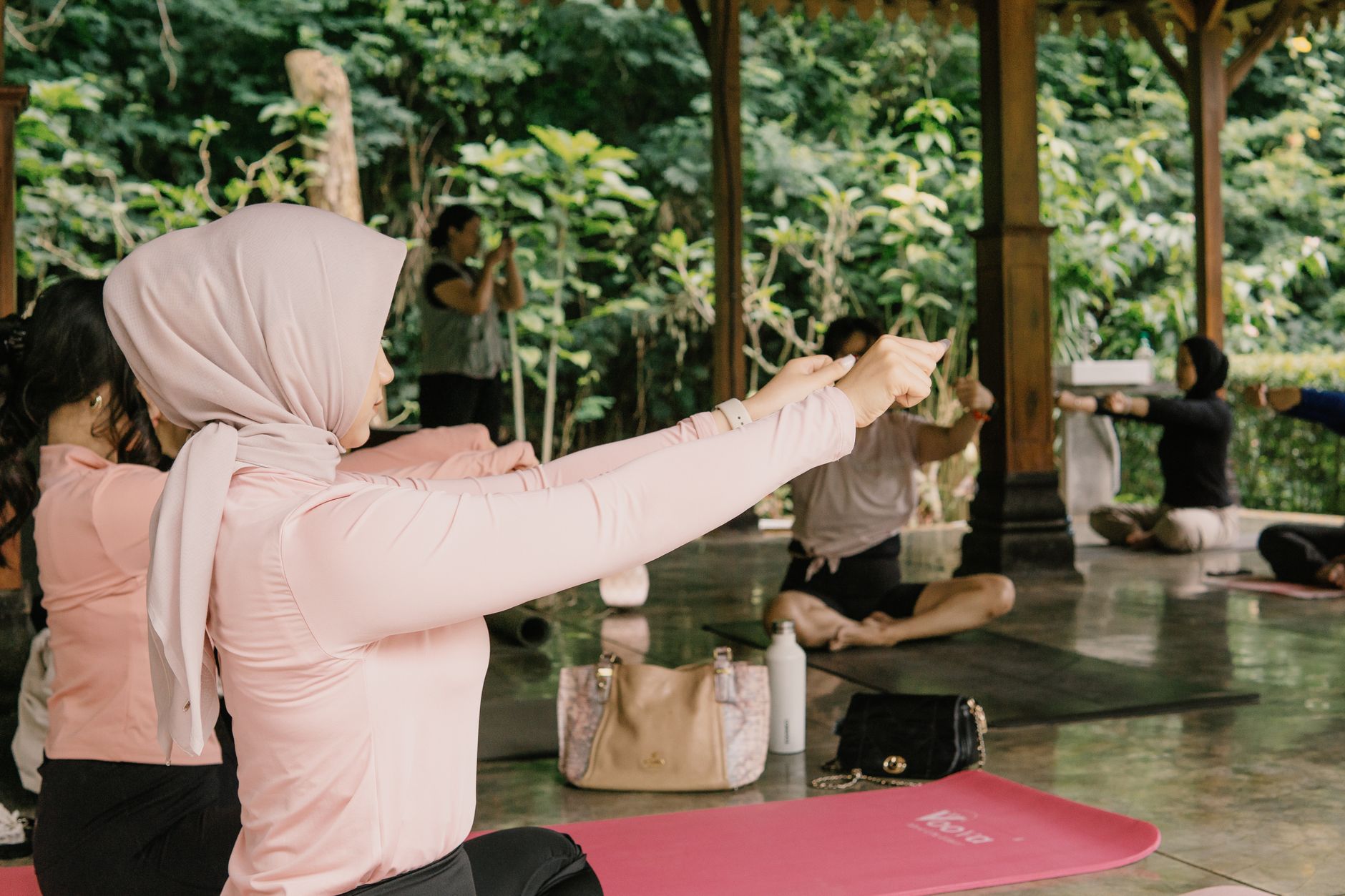
Why Women-Only Retreats Are Having a Moment
The appetite for women-only retreats has grown steadily over the past several years, and it shows no signs of slowing. Women make up the majority of retreat-goers across most wellness categories, and a significant portion of them actively seek spaces designed exclusively for them.
The reasons are layered. Many women find that single-gender environments lower social anxiety, encourage deeper conversation, and create a permission structure to rest without guilt. Others are drawn by programming that speaks directly to their bodies, hormonal cycles, life transitions, or caregiving fatigue. Whatever the individual motivation, the demand is real and the niche rewards retreat leaders who take it seriously.
If you are a yoga teacher, wellness professional, or independent retreat leader considering this market, this guide will help you understand what makes women-only retreats work — from the design decisions that build trust to the marketing language that converts browsers into bookings.
Understanding What Women Are Actually Looking For
Before you build a program, it helps to understand the specific tensions many women carry into a retreat.
Permission to stop. Women often report difficulty resting without a productive reason. A retreat framed around restoration and self-care gives them social permission to pause in a way a regular holiday sometimes does not.
Safety and ease. A single-gender space removes a layer of social performance. Participants can be louder, quieter, messier, or more emotional without the self-monitoring that mixed-gender settings sometimes trigger.
Community and recognition. Many women arrive hoping to be seen and understood by others who share similar experiences — motherhood, menopause, burnout, grief, career transitions, or simply the texture of moving through the world as a woman.
Body-positive movement. Programming that avoids weight-loss language and instead centers how movement feels — rather than how it looks — consistently resonates with female retreat audiences.
When your retreat design reflects these needs clearly, your marketing almost writes itself.
Choosing Your Focus Within the Female Wellness Niche
Women-only is a container, not a program. The most successful retreats in this niche go one level deeper and choose a specific focus that speaks to a defined audience.
Some directions that work well:
- Life transitions: perimenopause, post-divorce, empty-nest, new motherhood, grief
- Burnout and nervous system recovery: especially relevant for caregivers, healthcare workers, and executives
- Creativity and self-expression: writing, art, dance combined with mindfulness
- Spiritual deepening: women's circles, moon cycles, ancestral healing, embodiment practices
- Adventure and challenge: hiking, cold water swimming, or outdoor skills for women who want to push their edges in a supportive environment
The more specific your focus, the easier it is for the right woman to recognize herself in your offer. A retreat for mothers of teenagers is a sharper target than a retreat for women, even though the latter is technically a larger audience.
Designing the Retreat Experience
Build in Unstructured Time
One of the most common mistakes retreat leaders make with women-only programs is over-scheduling. Packed itineraries signal productivity; what many participants actually need is spaciousness. Build at least one or two genuine pockets of unstructured time each day — not just transition time, but genuine free hours with no agenda.
Use the First Session to Set the Container
The opening circle or welcome session carries more weight than any other moment in the retreat. Use it to establish psychological safety, name the shared intention, and invite participants to set their own personal intention for the time together. When women feel held from the first hour, the rest of the retreat opens up.
Include Somatic and Embodiment Elements
Talk-based content alone rarely creates the transformation women come to retreats for. Weave in body-based practices — breathwork, yoga nidra, gentle movement, dance, or time in nature — that help participants drop out of their heads and into their bodies. These practices tend to produce the memorable moments participants talk about afterward.
Create Opportunities for Depth Without Pressure
Small group sharing, journaling prompts, and partner exercises all give women a chance to go deeper if they choose to. The key is to design these as invitations, not requirements. Pressure to share or perform vulnerability can undermine trust quickly.
Think About the Physical Environment
Details matter. Warm lighting, comfortable seating, spaces that feel soft rather than clinical, access to nature, and rooms that allow for privacy all contribute to participants feeling safe enough to let their guard down. If you are sourcing a venue, walk through it with your participants' experience in mind.
Pricing Your Women-Only Retreat
Women-only retreats can command strong pricing when the value is clearly communicated. This is not about charging more because you can — it is about understanding what you are actually offering.
A focused, intimate retreat for a well-defined audience delivers a very different experience from a general wellness getaway. Smaller group sizes, high-touch facilitation, and programming built around specific needs all justify a premium. Be transparent about what is included, and resist the temptation to discount early just to fill spots. Discounting sends a signal about value that is hard to undo.
Offer clear payment plans. Many women are managing household finances alongside their own spending, and a payment plan removes a practical barrier without reducing perceived value.
Marketing Women-Only Retreats Effectively
Lead With Identity, Not Just Activities
Your marketing should help a woman see herself in your retreat within the first few sentences. Rather than leading with the schedule — three yoga sessions, two workshops, one massage — lead with who this retreat is for and what she will walk away feeling or knowing.
Example: This retreat is for the woman who has been holding everyone else up and is ready to be held for a few days.
That kind of language does more work than any activity list.
Use Testimonials That Describe Transformation
Social proof is powerful in this niche. Ask past participants to describe not just what happened but how they felt before, during, and after. Testimonials that name a specific emotion or shift — I left feeling like myself again for the first time in years — are far more persuasive than praise for the food or the venue.
Choose Your Channels Based on Where Your Audience Actually Is
Instagram and Facebook remain strong channels for reaching women in wellness audiences, particularly when you show real moments from past retreats rather than polished stock imagery. Email lists built around a newsletter, a free resource, or a podcast audience tend to convert well for retreat sales. Word of mouth among women is exceptionally powerful — past participants who had a meaningful experience will actively recruit others.
Address the Objection Before It Arises
Many women feel guilty about spending money and time on themselves. Your marketing can gently name this without being preachy. Acknowledge that taking a week for yourself can feel indulgent, then reframe: rested, restored women show up better in every area of their lives. You are not selling a luxury; you are selling sustainability.
What Makes Women Come Back — and Bring Friends
Retention and referral are where women-only retreats really shine. When participants have a genuine transformation experience, they tend to become loyal advocates. A few practices that support this:
Close the retreat with intention. The closing circle should give participants a way to name what they are taking home, how they want to stay connected, and what they are committing to. This seals the experience and extends its shelf life.
Offer a community touchpoint after the retreat. A private online group, a follow-up call, or even a simple email check-in a few weeks later reinforces the connection and keeps your retreat top of mind when they are deciding what to do next year.
Make re-booking easy. Announce your next retreat during the current one, when enthusiasm is highest. Offer returning participants a genuine priority access window before you open to the public.
Building a Sustainable Women's Retreat Practice
The female wellness niche rewards specificity, intentionality, and genuine care. Women are discerning consumers who research carefully and talk to each other. A retreat that over-promises and under-delivers will struggle; one that deeply serves a well-chosen audience tends to grow steadily through community and word of mouth.
Start with clarity about who you are serving and why. Build a program that reflects their actual needs, not a generic wellness template. Market in language that makes the right woman feel immediately recognized. And run the retreat as if every detail matters — because to your participants, it does.
RetreatsOS helps retreat leaders manage the operational side of their business so they can focus on what matters most: creating retreats that genuinely change people's lives.
Photo: Dwi Rizqi F / Pexels