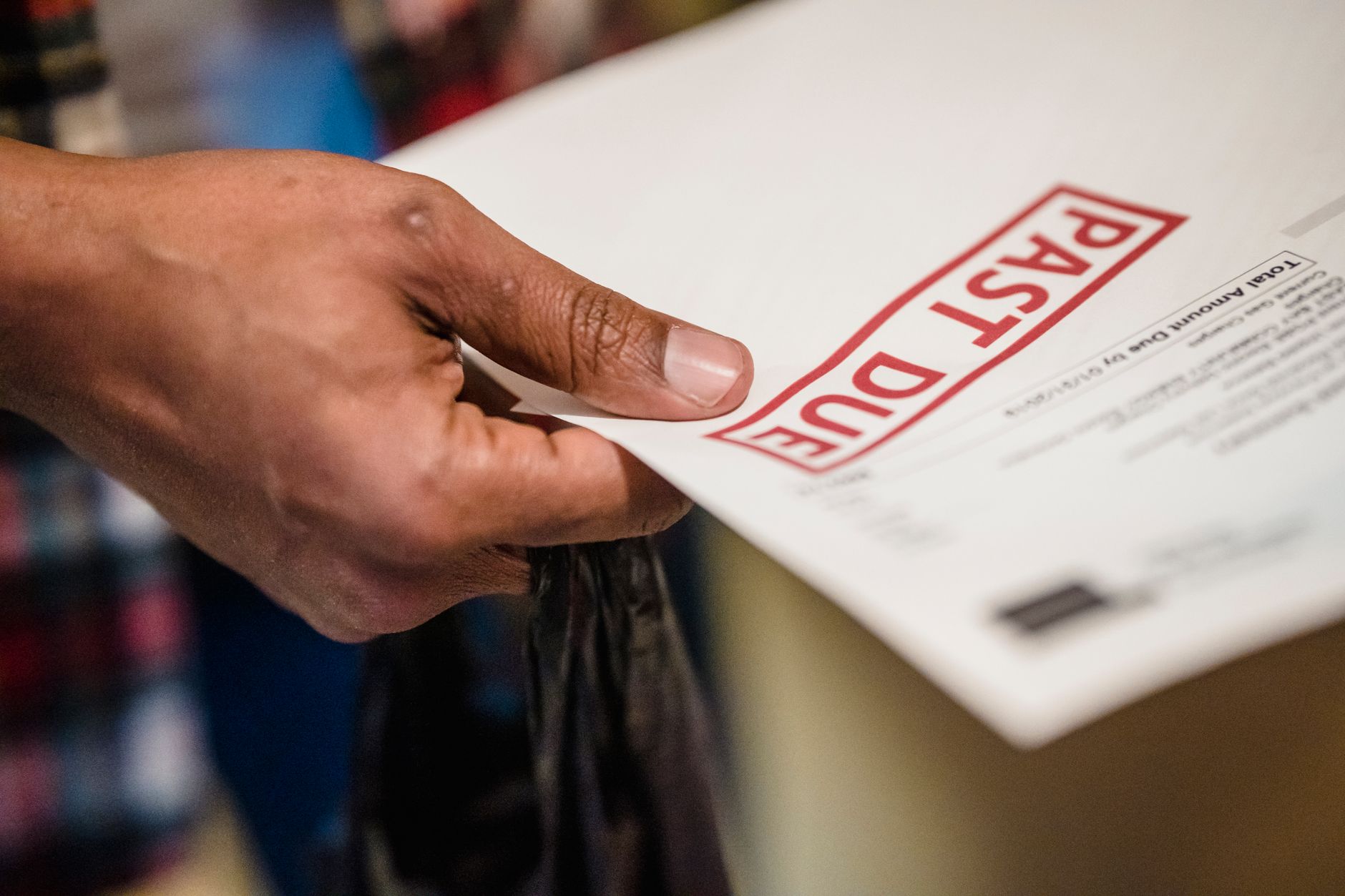
The Invoice You Sent Weeks Ago Is Still Sitting There
You delivered the retreat. You showed up fully, held the space, handled the logistics, poured energy into every detail. Then you sent the invoice — and nothing. A few days pass. You send a follow-up. Still nothing. Maybe a "sorry, been busy" reply, and then silence again.
Many retreat leaders we hear from report that chasing unpaid invoices is one of the most demoralizing parts of running their business. It's not just the money. It's the awkwardness of following up repeatedly, the doubt that creeps in, and the way it quietly erodes the energy you need for the actual work you love.
This is a solvable problem. Not perfectly, not always painlessly — but there are concrete steps you can put in place so that fewer clients ever reach the ghosting stage.
Why This Keeps Happening
The honest answer is that payment problems rarely start at the invoice. They start much earlier — at the moment you agreed to work together without a clear written payment structure.
When expectations around money are vague at the start of a relationship, clients can genuinely not understand what's owed, or they feel comfortable delaying because there's no consequence built into the agreement. Some will take advantage of ambiguity. Most, though, are simply operating without any friction that would prompt them to pay promptly.
The other factor is confidence. As the signals we see from retreat leaders suggest, underpricing and avoiding hard conversations around money often come from the same root — discomfort with the business side of doing deeply personal work. Retreat leaders sometimes soften payment terms to avoid seeming "transactional," which ironically creates more friction later when chasing becomes unavoidable.
A clear, professional payment structure isn't the opposite of a warm, trusting relationship. It's what makes that relationship possible.
Three Things That Actually Help
1. Require a non-refundable deposit to confirm any booking
A deposit — typically 50% of the total — does two things. It confirms the client is genuinely committed, and it means you're never delivering a full service with zero payment collected.
The language in your booking confirmation can be simple and direct:
"A 50% deposit is required to hold your spot and confirm this booking. The remaining balance is due 30 days before the retreat date. Deposits are non-refundable after 48 hours of booking, as your space will be removed from availability for other applicants."
This isn't aggressive. It's professional. Most clients who are genuinely serious will have no issue with it. The ones who balk at a deposit are often the ones who would have ghosted on the final invoice anyway.
2. Set the final payment date well before the retreat — not after
This is the shift that makes the biggest difference. If final payment is due 30 days before the retreat, you have time to follow up, resolve issues, or release the spot to someone else. If payment is due after services are delivered, you've lost all leverage.
Build this into your standard agreement language and your booking confirmation email. Something like:
"Final payment of [amount] is due by [date — 30 days before retreat]. If payment is not received by this date, we reserve the right to release your spot and retain the deposit."
That last sentence matters. It's not a threat — it's a natural consequence that protects your business and gives the client a clear reason to act.
3. Automate your follow-up sequence — and make it impersonal
One of the reasons chasing invoices feels so bad is that it feels personal. You're writing individual emails, crafting careful words, wondering if you're being annoying. It's exhausting.
When reminders are automated and sent by your payment system rather than typed by you personally, the dynamic shifts. The client receives a standard reminder, not a human pleading. You don't spend emotional energy on each follow-up. And there's a paper trail.
Set up automated reminders at: 14 days before the due date, 3 days before, and 1 day after. Keep the tone neutral and factual:
"This is a reminder that your balance of [amount] is due on [date]. Please use the link below to complete your payment. If you have any questions, reply to this email."
No apologies. No softening. Just the information they need.
What to Do When Someone Has Already Ghosted
If you're already in the chase, a few things worth knowing:
- Send one final notice in writing, clearly stating the outstanding amount, the original agreement terms, and a deadline for response (give 7 days). Keep it professional and brief.
- After that deadline, you have a decision to make about whether to pursue further (small claims, a collections process, or writing it off). Document everything in case you need it.
- Use the experience to update your agreements going forward. One painful situation, fixed at the contract level, protects you for every future client.
One Tool That Can Help
If you're managing bookings and payments manually across emails, spreadsheets, and bank transfers, the system itself is working against you. RetreatsOS includes built-in payment scheduling — including deposit collection at booking and automated balance reminders — so the structure described above is enforced by the platform, not by you remembering to follow up. Worth a look at retreatsos.com if you're ready to stop managing this by hand.
Have questions about how it works? Email info@retreatsos.com — happy to walk you through it.
— Dana B.
Photo: Nicola Barts / Pexels